
The sizzling sound of salmon hitting a hot skillet may just be the most comforting sound in my kitchen. Today, I’m thrilled to share my quick and delightful Mediterranean Salmon recipe—your new go-to one-pan, 30-minute dinner! Not only does this dish celebrate vibrant Mediterranean flavors with wholesome ingredients like chickpeas, olives, and feta cheese, but it’s also a gluten-free, high-protein option that makes any weeknight feel special. Imagine sitting down to a meal that feels both refreshing and satisfying, all without fussing over a pile of dirty dishes. Plus, the flexibility of using fresh or frozen salmon means you can whip this up whenever the craving strikes. Ready to bring a taste of the Mediterranean into your home? Let’s dive in!
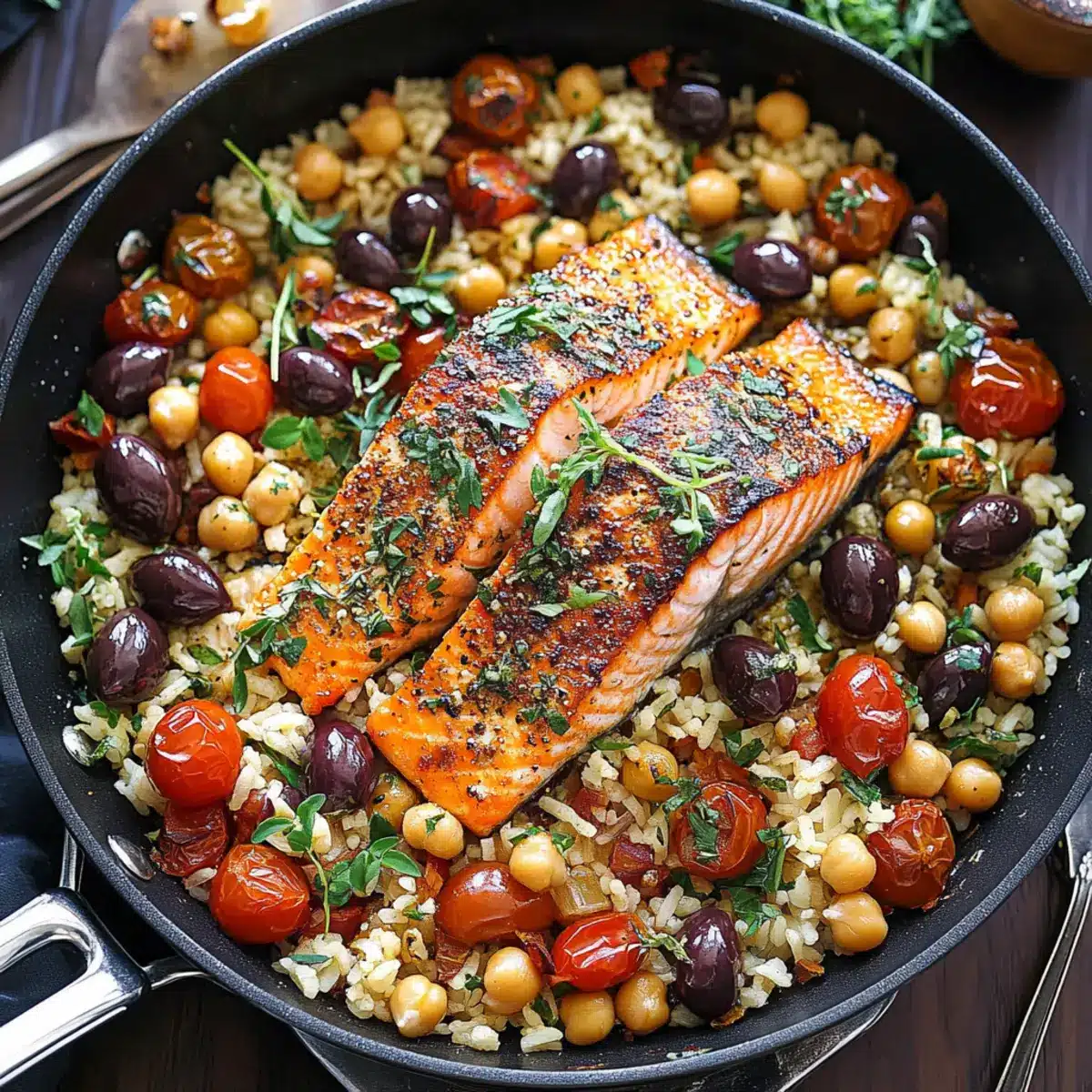
Why Choose This Mediterranean Salmon Recipe?
Simplicity, with just one pan required, means no complex steps or extensive cleanup—perfect for a busy weeknight!
Vibrant flavors come together from smoky paprika, zesty lemon, and briny olives, creating a dish that delights the palate.
Health-focused, this meal is gluten-free, high in protein, and packed with nutrient-rich ingredients like chickpeas and salmon.
Customizable options abound—swap out ingredients or base them on what you have on hand, such as incorporating quinoa or adding spinach for added nutrients.
Crowd-pleasing appeal makes it ideal for family dinners or entertaining and is sure to impress all your guests! For more Mediterranean inspirations, check out my delicious Mediterranean Salmon Savory or the hearty Mediterranean Chicken Orzo.
Mediterranean Salmon Ingredients
The key to vibrant flavors!
For the Salmon
- Salmon fillets – The hero of this dish, rich in omega-3 fatty acids; fresh or frozen works perfectly!
- Smoked paprika – Adds warmth and depth; it beautifully complements that flaky salmon.
- Dried oregano – Provides classic Mediterranean flavor; substitute with Italian seasoning if desired.
- Dried parsley – Enhances freshness; feel free to swap in fresh parsley for a burst of flavor.
- Red chili flakes – Introduces a hint of heat; adjust to your liking for the perfect spice level.
- Salt – Essential for enhancing all other flavors; sea salt not only tastes better but also offers a lovely texture.
For Cooking
- Olive oil – Provides healthy fats and richness; opt for high-quality extra virgin olive oil for the best taste.
For the Base
- Cooked jasmine rice – Acts as a delicious base; substitute with quinoa or cauliflower rice for a lower-carb option.
- Canned chickpeas – Adds protein and fiber; consider low-sodium varieties for a healthier choice.
- Cherry tomatoes – Bring juiciness and acidity; any variety of ripe tomatoes can fill in beautifully.
- Kalamata olives – They deliver briny, savory notes; use green olives if you’re in the mood for a change.
For the Finishing Touch
- Freshly squeezed lemon juice – Brightens up the entire dish; fresh juice is a game changer!
- Feta cheese – Offers a creamy texture; can easily be substituted with non-dairy feta for a vegan twist.
- Chopped fresh oregano – Adds an aromatic finish; if fresh isn’t available, more dried oregano works just fine.
This Mediterranean salmon recipe invites you to not just cook, but to savor every vibrant bite!
Step‑by‑Step Instructions for Mediterranean Salmon
Step 1: Preheat the Skillet
Begin by heating a large cast iron skillet over medium heat for about 4 minutes until it’s hot and ready. This preheating is crucial for achieving a nice sear on your salmon fillets. Lean in close and listen for that comforting sizzle when the time comes to add your seasoned salmon.
Step 2: Prepare the Salmon
While the skillet heats, season your salmon fillets with smoked paprika, dried oregano, dried parsley, red chili flakes, and salt. Drizzle 1 tablespoon of olive oil over the fillets, using your hands to coat them evenly. The salmon should have a vibrant color from the spices, creating an inviting look that promises delicious flavors in your Mediterranean salmon dish.
Step 3: Sear the Salmon
Once your skillet is hot, add 2 tablespoons of olive oil and gently place the salmon fillets skin-side up into the skillet. Cook undisturbed for 4 minutes without moving the fillets. You should see the edges starting to cook through, transforming from bright pink to a beautiful golden-brown.
Step 4: Flip and Cook Further
After 4 minutes, carefully flip the salmon skin-side down using a spatula. Reduce the heat to medium and let the salmon cook for an additional 5 minutes until it’s just opaque and flakes easily with a fork. Once done, transfer the salmon to a plate, remove the skin, and wipe the skillet clean to prepare for the next step.
Step 5: Create the Vegetable Base
In the same skillet, add the cooked jasmine rice, drained chickpeas, sliced cherry tomatoes, and Kalamata olives. Stir everything together well and pour in 3 tablespoons of freshly squeezed lemon juice. Cook for about 3-4 minutes, seasoning lightly with salt and pepper, until the tomatoes soften and the mixture is heated through.
Step 6: Mix the Feta
In a separate bowl, combine the feta cheese with a tablespoon of olive oil, a squeeze of lemon juice, and chopped fresh oregano. This creamy mixture will bring an added layer of texture to your Mediterranean salmon dish, blending wonderfully with the rice and veggies.
Step 7: Assemble the Dish
Once your vegetable base is ready, mix half of the feta mixture into the rice blend for added flavor. Nestle the cooked salmon fillets on top of the rice, then sprinkle the remaining feta generously over each piece. Garnish with extra fresh oregano for a lovely finish, creating a visually appealing presentation.
Step 8: Serve and Savor
Serve your Mediterranean salmon hot, allowing each bite to evoke the vibrant flavors of the Mediterranean. This one-pan meal not only looks inviting but also fills your kitchen with mouthwatering aromas, making it perfect for a satisfying family dinner or an impressive dish for entertaining guests.
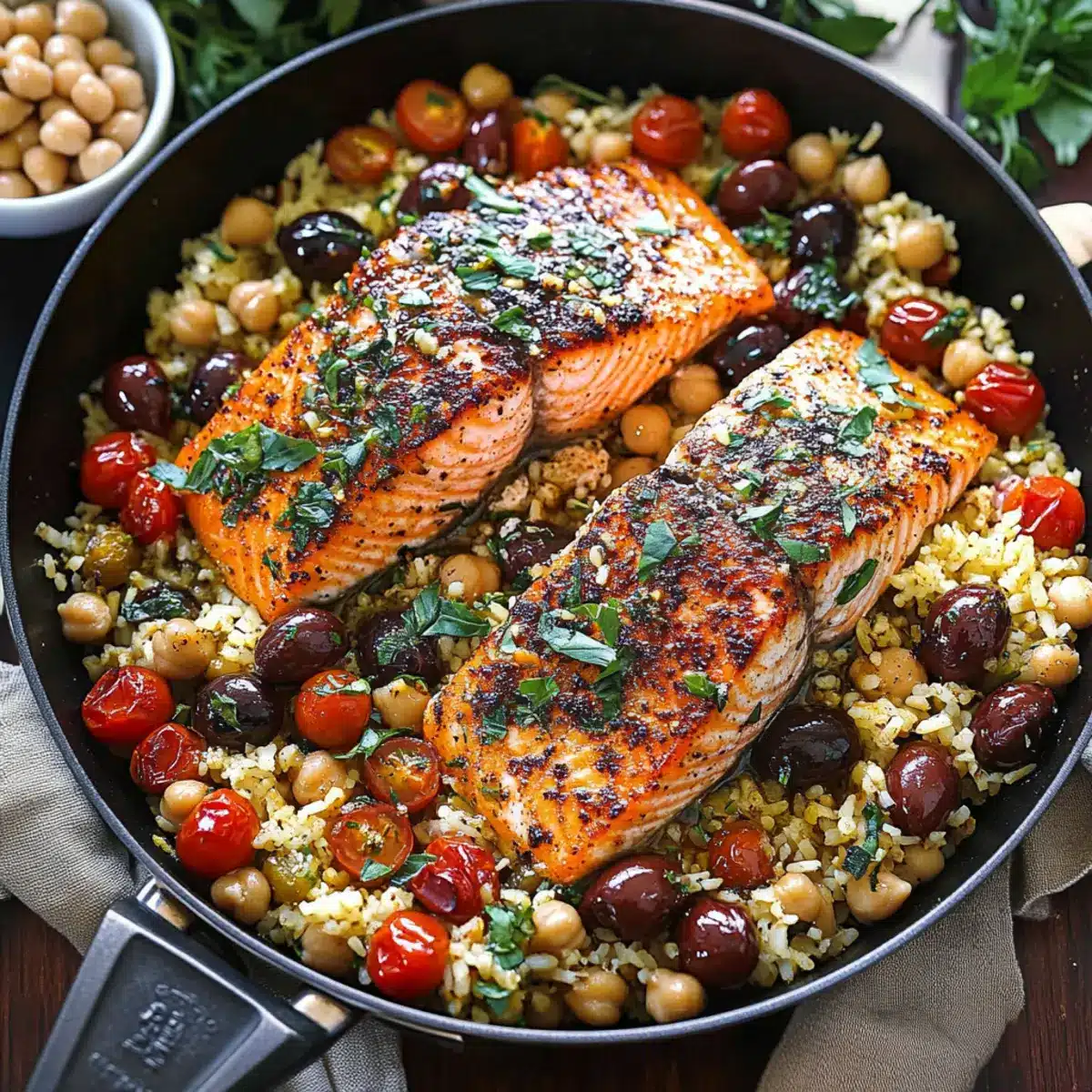
Expert Tips for Mediterranean Salmon
-
Hot Skillet Essential: Ensure your skillet is at the right temperature to achieve that perfect sear on the salmon, preventing sticking and promoting crispiness.
-
Avoid Overcooking: Salmon should be cooked until just opaque and flaking easily. Overcooking can lead to a dry texture; you want tender, flaky perfection.
-
Spice Level Control: Adjust red chili flakes according to your spice preference. It’s easier to start with less—we can always add more but can’t take it back!
-
Fresh Ingredients Matter: Use fresh lemon juice and herbs for the best flavor impact in your Mediterranean salmon dish. It makes a noticeable difference!
-
Mix Consistently: When adding the feta mixture, ensure you mix thoroughly into the rice for balanced flavor. This keeps every bite equally delicious!
Make Ahead Options
These Mediterranean Salmon meals are perfect for busy cooks looking to save time! You can prepare the rice, chickpeas, and vegetable base up to 3 days in advance, storing them in an airtight container in the refrigerator. To keep the flavors vibrant, mix the feta with olive oil, lemon juice, and oregano just before serving; this prevents it from becoming too watery in storage. On the day you’re ready to enjoy this dish, simply reheat the rice base in a skillet, add the cooked salmon on top, sprinkle with feta, and garnish with fresh oregano. This will ensure your Mediterranean Salmon is just as delicious and satisfying, perfect for a hassle-free dinner!
How to Store and Freeze Mediterranean Salmon
Fridge: Store leftover Mediterranean salmon in an airtight container for up to 3 days. It’s best to keep the salmon and rice separately to maintain texture.
Freezer: For longer storage, freeze the salmon and rice in separate containers for up to 3 months. Make sure to wrap them tightly to prevent freezer burn.
Thawing: To safely thaw, transfer the frozen salmon and rice to the fridge for 24 hours before reheating.
Reheating: Reheat in the microwave or on the stovetop until heated thoroughly, aiming for a temperature of 145°F to ensure it’s safe to eat.
What to Serve with Mediterranean Salmon
Imagine a cozy dinner table filled with vibrant colors and tantalizing aromas that beautifully complement the flavors of your Mediterranean feast.
- Crispy Garlic Bread: The crunchy texture of garlic bread pairs perfectly with succulent salmon, ideal for dipping into fragrant olive oil or leftover lemon juice.
- Mediterranean Quinoa Salad: Earthy quinoa tossed with cucumbers, bell peppers, and a zesty lemon vinaigrette adds a refreshing contrast to the rich salmon.
- Roasted Seasonal Vegetables: Roasted zucchini, bell peppers, and carrots bring a burst of sweetness, making each bite of salmon more delightful.
- Tzatziki Sauce: A cool, creamy cucumber sauce balances the flavors perfectly while enhancing the Mediterranean experience.
- Lemon Herb Rice: A lighter alternative to jasmine rice, lemon herb rice adds a zesty twist that mimics the flavors of the salmon’s marinade.
- Mixed Green Salad: A simple salad featuring fresh greens, cherry tomatoes, and a splash of balsamic vinaigrette brightens the meal and adds a crunch.
- Fizzy Sparkling Water: Serve a refreshing sparkling water infused with lemon and mint, enhancing the citrusy notes of your dish while keeping it light and revitalizing.
- Chocolate Mousse: To finish off on a sweet note, a rich chocolate mousse offers a decadent but light dessert that contrasts wonderfully with your savory meal.
Mediterranean Salmon Variations & Substitutions
Feel free to make this delightful Mediterranean salmon your own by experimenting with these fun twists!
-
Seafood Swap: Use shrimp or scallops instead of salmon for a different flavor profile. Both options cook quickly and pair beautifully with the same seasonings!
-
Veggie Boost: Add fresh spinach or zucchini to the rice mixture for extra nutrients and colorful variety. The addition of greens will elevate the dish and make it even more wholesome.
-
Grain Change: Substitute jasmine rice with quinoa or farro to increase fiber and protein content. Quinoa brings a nutty flavor, while farro adds a delightful chewiness.
-
Herb Options: Replace dried oregano with fresh herbs like basil or dill for a refreshing twist. Fresh herbs light up the dish with vibrant aromas and earthy flavors.
-
Creamy Alternatives: Swap feta cheese with crumbled goat cheese or non-dairy alternatives like almond feta for a different creamy touch. Both alternatives will add unique flavors without losing that creamy texture!
-
Heat Variance: Incorporate jalapeños or fresh chili peppers if you desire more heat. Adding these spicy friends can transform your dish into a fiery delight that spice lovers will adore.
-
Citrus Infusion: Elevate the taste by squeezing more lemon or adding lime juice for a different zesty kick. The brightness of citrus will enhance the Mediterranean vibes even further.
-
Nutty Crunch: Toss in some toasted pine nuts or chopped walnuts to give the dish an unexpected crunch. This addition not only creates a delightful texture but also complements the other flavors beautifully.
For more Mediterranean-inspired recipes, dive into my savory Mediterranean Salmon or try out the hearty flavors of Baked Salmon with Spinach. Each offers its own twist, making weeknight cooking fun and exciting!
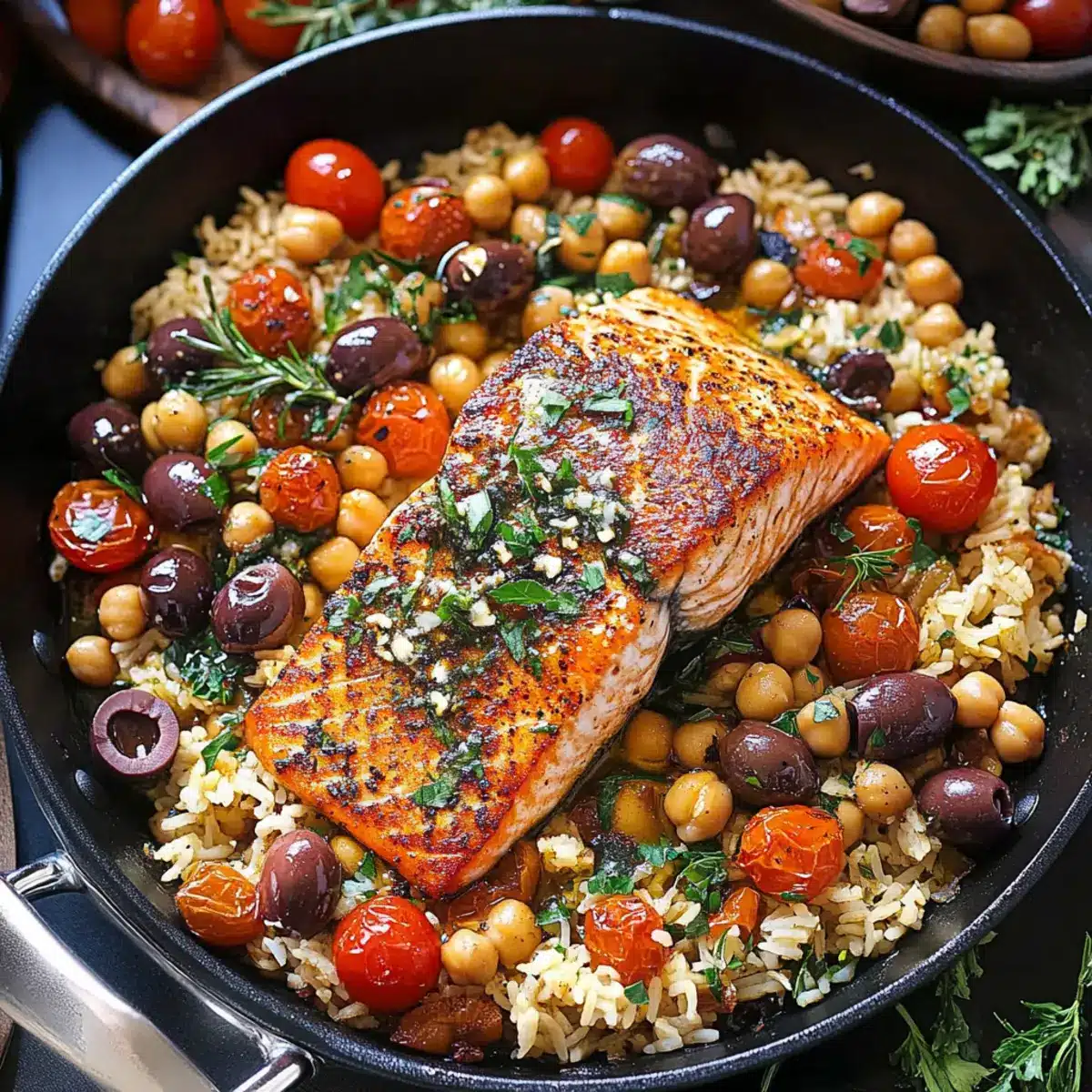
Mediterranean Salmon Recipe FAQs
What type of salmon should I choose for this recipe?
Absolutely! Fresh salmon fillets are preferred for their flavor and texture, but frozen fillets work just as well. Ensure the fillets are thawed completely before cooking for even cooking and great results.
How should I store leftovers from the Mediterranean salmon?
It’s best to store leftover Mediterranean salmon in an airtight container in the fridge for up to 3 days. To maintain the integrity of the dish, I recommend keeping the salmon and the rice separately—this helps prevent sogginess and keeps the flavors intact.
Can I freeze this Mediterranean salmon dish?
Of course! For longer storage, freeze the salmon and rice in separate containers for up to 3 months. Make sure to wrap them tightly in plastic wrap or foil before placing them in freezer bags to avoid freezer burn.
What’s the best way to reheat frozen Mediterranean salmon?
To safely reheat your frozen dish, first, transfer the salmon and rice to the fridge and let them thaw overnight. Once thawed, reheat them in the microwave or on the stovetop until they reach an internal temperature of 145°F. This ensures they’re heated thoroughly and safe to eat.
How do I know if my salmon is overcooked?
Great question! Overcooked salmon will appear dry and lack that flaky texture you want. Ideally, the salmon should be cooked just until it’s opaque and flakes easily with a fork, usually around 9 minutes total cooking time. Cooking at the right temperature is essential to achieving that perfect flake!
Are there any dietary considerations for this Mediterranean salmon dish?
Yes! This recipe is gluten-free and high in protein, making it suitable for a variety of diets, including pescatarian and health-focused individuals. However, if you have allergies, be cautious with the feta cheese, olives, and chickpeas. You can substitute cheese with a non-dairy alternative for a vegan option!
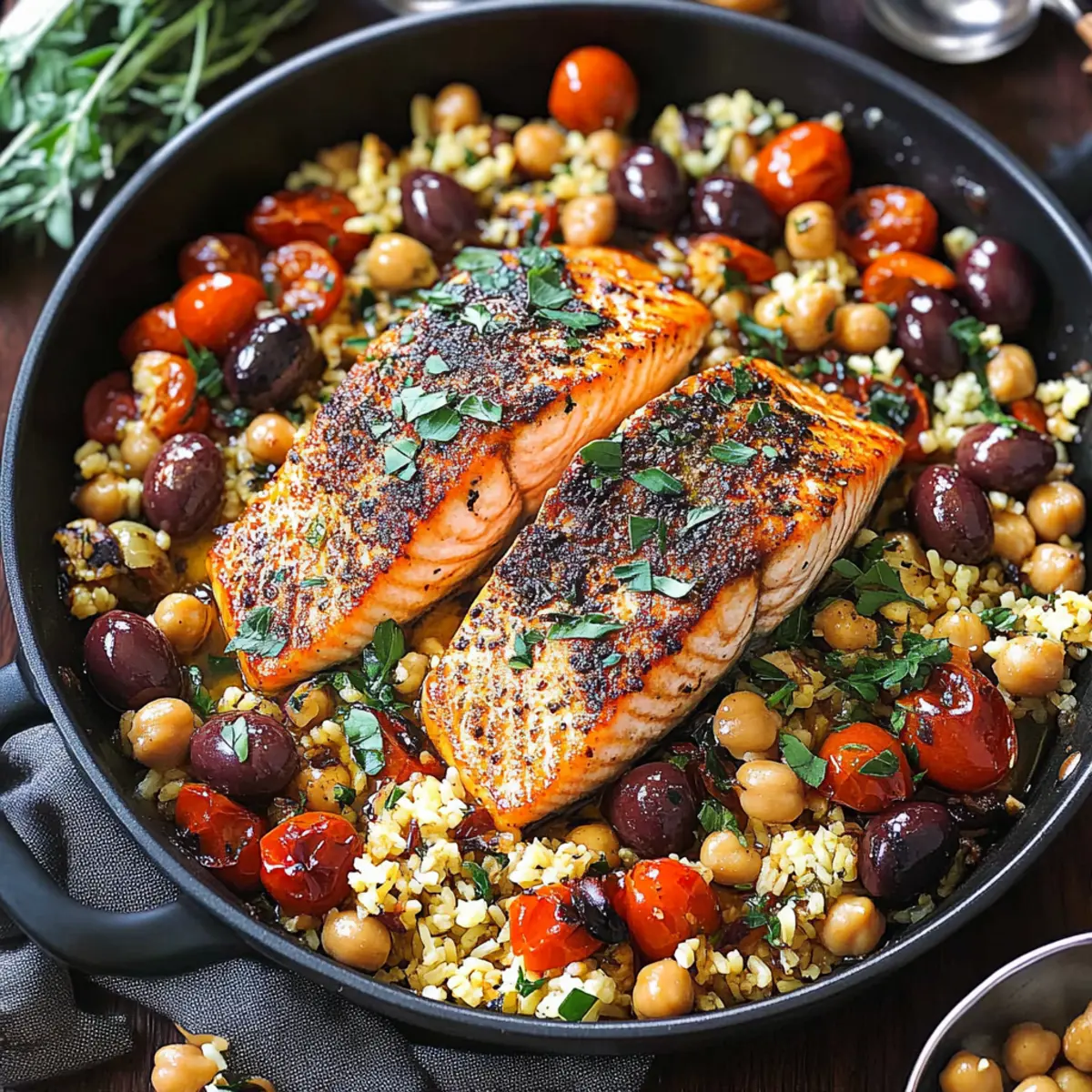
Mediterranean Salmon: Flavorful One-Pan Dinner in 30 Minutes
Ingredients
Equipment
Method
- Preheat a large cast iron skillet over medium heat for about 4 minutes until hot.
- Season salmon fillets with smoked paprika, dried oregano, parsley, red chili flakes, and salt. Drizzle 1 tablespoon olive oil over the fillets.
- Add 2 tablespoons olive oil to the hot skillet and place the salmon fillets skin-side up. Cook undisturbed for 4 minutes.
- Flip the salmon skin-side down and reduce heat to medium. Cook for an additional 5 minutes until opaque and flakes easily.
- In the same skillet, combine cooked rice, chickpeas, cherry tomatoes, and Kalamata olives. Pour in 3 tablespoons lemon juice and cook for 3-4 minutes.
- In a bowl, mix feta cheese with 1 tablespoon olive oil, a squeeze of lemon juice, and chopped oregano.
- Mix half of the feta mixture into the rice blend, then nestle the salmon on top. Sprinkle remaining feta on each piece.
- Serve hot, garnished with extra fresh oregano.
Leave a Reply