
As I stood in my kitchen, the rich aroma of sautéed garlic and onions filled the air, instantly transporting me to a sun-drenched Greek village. This feeling is what inspired me to create my version of Greek Healing Soup—a nourishing blend of fresh veggies, hearty chickpeas, and cozy spices that wraps its warmth around you like a comforting embrace. Packed with immune-boosting ingredients and utterly vegetarian, this delightful soup takes only 15 minutes to prep and is perfect for meal prep—serving as a healthy go-to for those busy weeknights when you crave something wholesome. The added zing from fresh lemon juice and aromatic herbs draws you in, making every spoonful a celebration of flavor. Are you ready to savor a bowl of happiness?
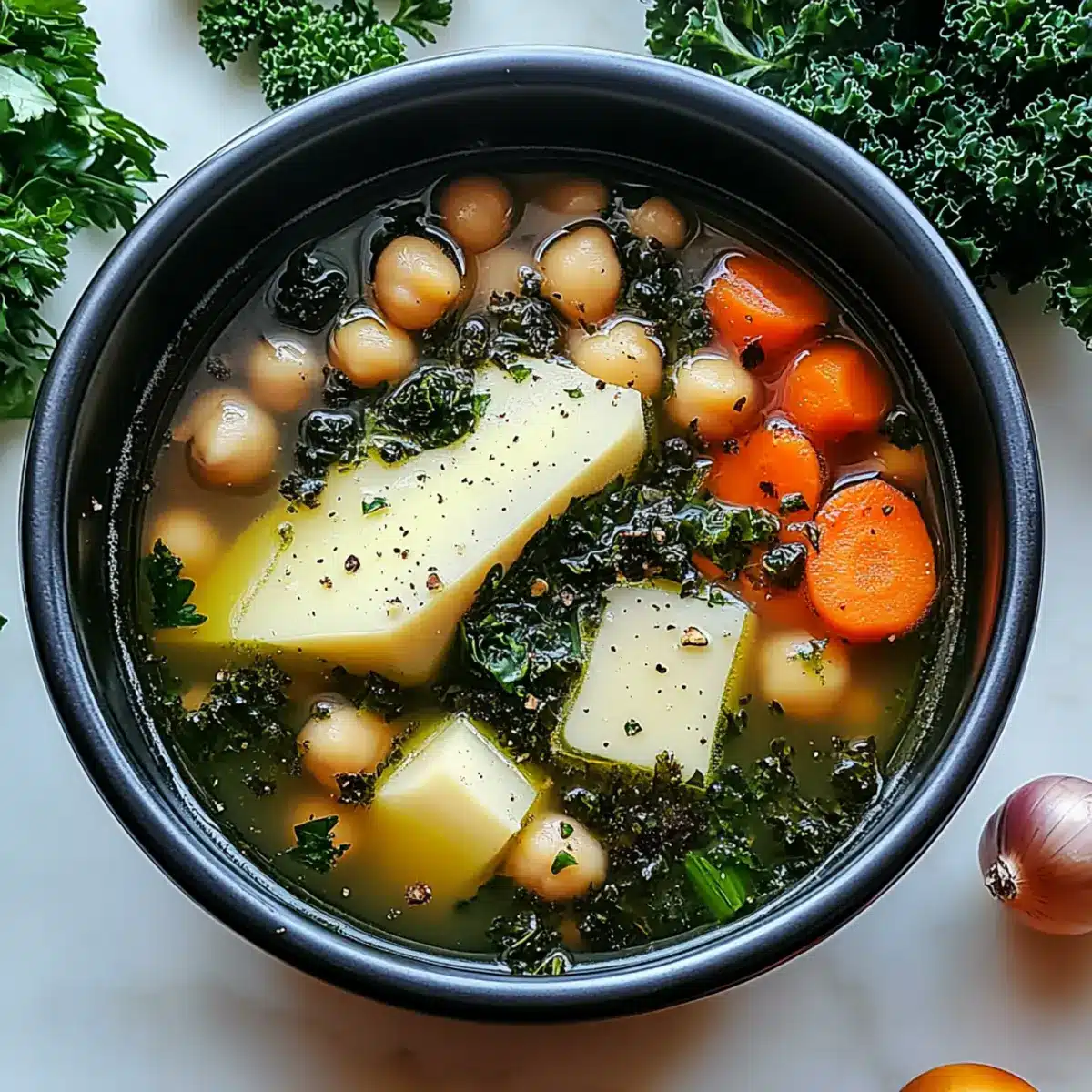
Why is Greek Healing Soup a must-try?
Heartwarming Comfort: This soup captures the essence of comfort food, filling your kitchen with delightful aromas that evoke warmth and nostalgia.
Nutritious Ingredients: Packed with immune-boosting veggies like kale and chickpeas, it nourishes your body while satisfying your taste buds.
Quick to Make: With just 15 minutes of prep, this dish fits seamlessly into any busy lifestyle, perfect for meal prep or last-minute dinners.
Versatile Flavors: Whether you stick to the recipe or swap in your favorite ingredients, Greek Healing Soup adapts beautifully to your pantry.
Crowd-Pleasing Appeal: Ideal for family gatherings or cozy nights in, it offers a healthy yet hearty option that everyone will love. Looking for more delicious options? Try my Greek Chicken Bowls or the comforting Lipton Onion Soup Meatloaf for an effortless meal experience!
Greek Healing Soup Ingredients
For the Soup Base
• Olive oil – Adds richness and is used for sautéing the vegetables; consider avocado oil for a different flavor.
• Onion – Provides a savory base with sweetness; shallots can be used for a milder taste.
• Garlic – Enhances the soup with aromatic flavor; use garlic powder in a pinch (1/4 teaspoon = 1 clove).
• Carrots – Offer sweetness and texture; substitute with parsnips for a unique twist.
• Celery – Adds crunch and enhances flavor; omit or replace with bell peppers for a different texture.
• Potato – Acts as a thickener and adds creaminess; swap with sweet potato for extra sweetness.
• Zucchini – Contributes moisture and texture; yellow squash can be an excellent alternative.
• Chickpeas – Provide protein and heartiness; can use white beans or lentils for variation.
• Vegetable broth – Creates the soup base; chicken broth is also a good option for a non-vegetarian version.
For the Seasoning
• Dried oregano – Adds herbaceous notes; fresh oregano can be substituted (use three times the amount).
• Dried thyme – A complementary herb enhancing depth; opt for fresh thyme as well.
• Ground cumin – Introduces warm, earthy tones; omit if unavailable or replace with coriander.
• Salt & pepper – Essential for seasoning; adjust according to dietary preferences.
For the Greens and Finishing Touches
• Kale or spinach – Adds nutrition and color; Swiss chard or collard greens can be used instead.
• Lemon juice – Brightens flavors with its acidity; lime juice serves as a good alternative.
This flavorful Greek Healing Soup is not only nourishing but also a delightful embrace to your taste buds.
Step‑by‑Step Instructions for Greek Healing Soup
Step 1: Sauté the Aromatics
Begin by heating 2 tablespoons of olive oil in a large pot over medium heat. Once the oil is shimmering, add 1 chopped onion and sauté until it becomes soft and translucent, about 5 minutes. Stir occasionally to prevent sticking, allowing the sweet aroma of the onion to fill your kitchen, setting the stage for your delicious Greek Healing Soup.
Step 2: Add Garlic for Flavor
Next, stir in 4 minced garlic cloves, cooking for about 1 minute until fragrant. Be careful not to let the garlic brown, as it can turn bitter. This step will deepen the flavor profile of your soup, creating a fragrant base that will highlight the freshness of the vegetables you will add next.
Step 3: Introduce the Vegetables
Now, add 2 diced carrots and 2 chopped celery stalks to the pot. Sauté these veggies for approximately 5 minutes, stirring frequently, until they begin to soften and their colors brighten. The addition of these hearty vegetables will enhance the texture and flavor of your Greek Healing Soup while adding essential nutrients.
Step 4: Incorporate Potato and Zucchini
Mix in 1 diced potato and 1 chopped zucchini, cooking for another 5 minutes until they start to deepen in color and soften slightly. Stirring regularly will help them caramelize just a bit, contributing a subtle sweetness that pairs beautifully with the other flavors in your nutritious Greek Healing Soup.
Step 5: Pour in the Broth and Chickpeas
Pour in 6 cups of vegetable broth and add 1 can of drained chickpeas to the pot. Sprinkle in 1 teaspoon of dried oregano, 1 teaspoon of dried thyme, and 1 teaspoon of ground cumin, along with salt and pepper to taste. Stir well to combine all the ingredients, and bring the mixture to a rolling boil.
Step 6: Simmer for Tenderness
Once boiling, reduce the heat to low, cover the pot, and let the soup simmer for about 20 minutes. This gentle cooking process allows the vegetables to become tender and for the flavors to meld beautifully, creating a warm and comforting aroma that defines your Greek Healing Soup.
Step 7: Add Greens and Finish
Stir in 2 cups of chopped kale or spinach, allowing it to wilt into the soup for about 2-3 minutes. This vibrant addition not only enhances nutrition but also adds a pop of color to your dish, ensuring every bowl of Greek Healing Soup is visually appealing and hearty.
Step 8: Brighten with Lemon Juice
Once the greens have wilted, squeeze in the juice of 1 lemon to add brightness to your soup. Taste and adjust the seasoning with extra salt, pepper, or lemon juice if desired. This final touch elevates the flavors, rounding out the wholesome experience of your Greek Healing Soup.
Step 9: Serve and Enjoy
Ladle the hot Greek Healing Soup into bowls and consider garnishing with fresh parsley for a touch of color and flavor. Serve immediately, perhaps with a side of crusty bread or croutons for added texture. Each spoonful is a nourishing delight that warms both the heart and soul!
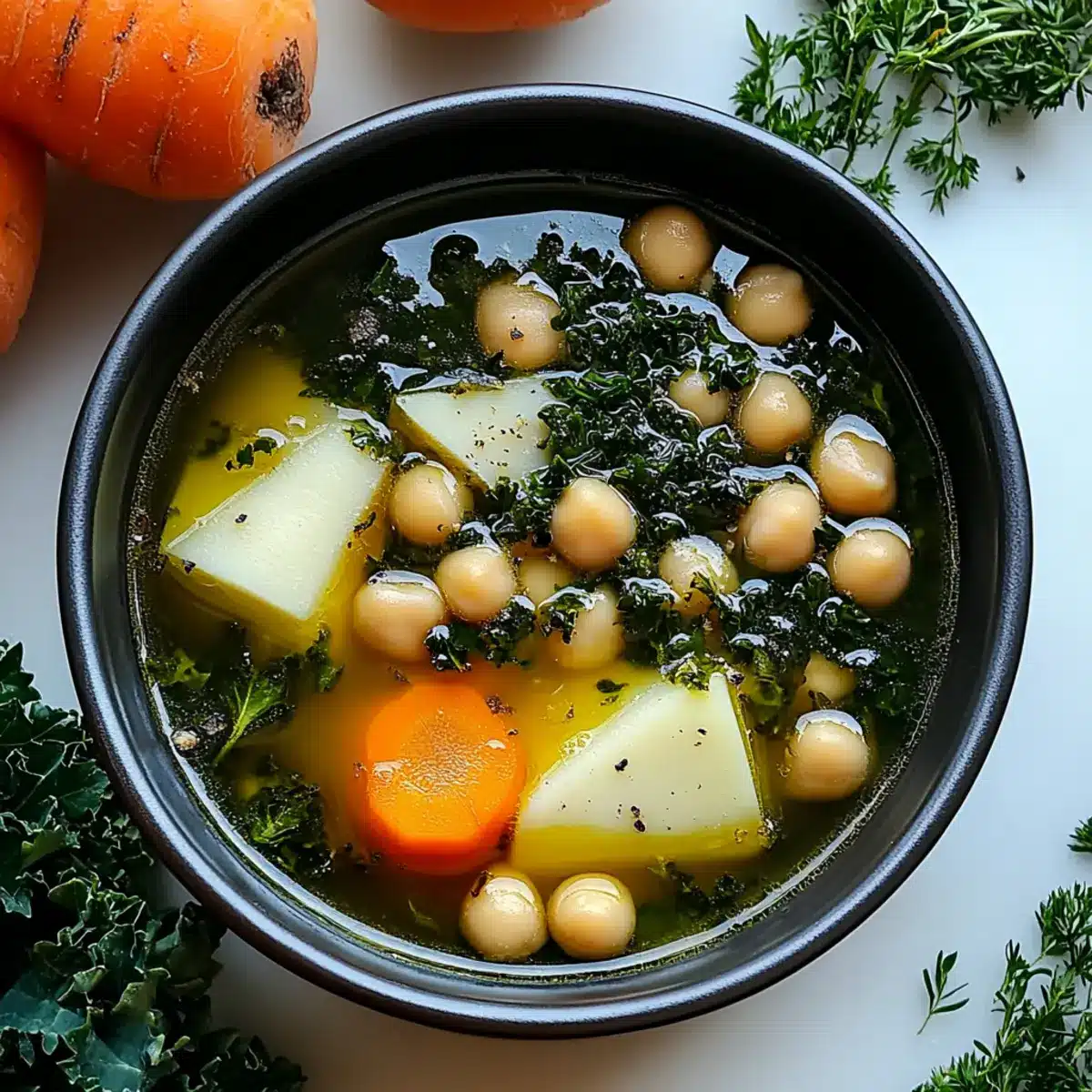
What to Serve with Greek Healing Soup
Warm your table with delightful sides that elevate your nourishing soup experience.
-
Crusty Whole-Grain Bread: Perfect for dipping, this bread provides a hearty, rustic texture that complements the soup’s lightness beautifully.
-
Fresh Garden Salad: A crunchy mix of greens and vegetables adds freshness, cutting through the richness of the soup and enhancing its vibrant flavor.
-
Herbed Quinoa: Light and fluffy, quinoa offers a nutty taste and extra protein, making your meal even more satisfying.
-
Roasted Vegetables: Add a touch of sweetness with roasted seasonal veggies; their caramelized edges enhance the comforting flavors of the Greek Healing Soup.
-
Zesty Lemon-Water: A refreshing beverage that mirrors the bright, citrus notes in the soup, providing a palate-cleansing experience.
-
Garlic Croutons: These crunchy bites offer a delightful contrast to the smooth soup, adding extra flavor and texture with every spoonful.
Each pairing not only complements the Greek Healing Soup but also enhances your dining experience, turning a simple meal into a cherished family moment.
How to Store and Freeze Greek Healing Soup
Fridge: Store the Greek Healing Soup in an airtight container for up to 4-5 days. This makes it easy to enjoy a wholesome meal throughout the week!
Freezer: Portion leftovers into freezer-safe containers for up to 3 months. Be sure to leave some space at the top for expansion as it freezes.
Reheating: When ready to enjoy, reheat gently on the stovetop over low heat. Add a splash of vegetable broth to reach your desired consistency, bringing back that comforting soup texture.
Make-Ahead: This soup is perfect for meal prep! Make it ahead of time and store it correctly, ensuring you always have a nutritious option ready when you need a healthy meal.
Greek Healing Soup Variations & Substitutions
Feel free to explore creative twists or healthy swaps for this delightful soup to suit your taste buds!
- Dairy-Free: Use vegetable broth instead of chicken broth for a fully vegetarian option.
- Grain Boost: Add cooked quinoa or farro near the end for extra heartiness and nutrition.
- Legume Swap: Replace chickpeas with lentils or black beans for a unique texture and flavor.
- Spicy Kick: Sprinkle in some red pepper flakes or add a diced jalapeño for a heat boost.
- Alternative Greens: If kale or spinach aren’t available, try using Swiss chard or collard greens to keep it vibrant and nutritious.
- Zesty Variation: Swap lemon juice for lime juice to give a whole new citrus spin on your Greek Healing Soup.
- Texture Twist: Garnish with toasted nuts or seeds for a crunchy element that contrasts beautifully with the soup’s softness.
- Flavorful Herbs: Experiment with fresh basil or dill instead of oregano for a refreshing change.
For more delicious ideas, check out my comforting Greek Meatball Bowl with Tzatziki or give my Lasagna Soup Satisfying a try for some hearty inspiration!
Expert Tips for Greek Healing Soup
• Sauté with Care: Sauté garlic until fragrant but avoid browning it, as burnt garlic can lead to bitterness in your Greek Healing Soup.
• Customize Veggies: Use whatever vegetables you have on hand! You can easily swap ingredients to fit your tastes and still maintain the soup’s hearty nature.
• Adjust the Broth: For a richer flavor, consider simmering your vegetable broth with a piece of kombu before adding it to your soup.
• Season Last: Add lemon juice and seasonings at the end to brighten up the flavors of your Greek Healing Soup. Taste as you go to achieve the perfect balance.
• Freezer-Friendly: Make a big batch! This soup freezes beautifully, so portion out leftovers into airtight containers for a quick, healthy meal later.
• Fresh Herbs Matter: If possible, use fresh herbs instead of dried for a more vibrant taste, especially towards the end of cooking.
Make Ahead Options
These Greek Healing Soup is perfect for meal prep enthusiasts seeking to save time on busy weeknights! You can chop the vegetables (onion, carrots, celery, zucchini, and potatoes) and refrigerate them in an airtight container for up to 3 days in advance. Additionally, you can cook the soup itself and store it in the fridge for up to 5 days. To maintain the soup’s delightful flavors, wait to add the greens and lemon juice until just before serving. When you’re ready to enjoy, simply reheat the soup gently on the stove, adding a splash of broth if needed to adjust consistency, and stir in the greens until wilted. Enjoy a comforting and nourishing bowl with minimal effort!
Greek Healing Soup Recipe FAQs
What type of vegetables are best for my Greek Healing Soup?
Absolutely! When choosing vegetables, look for those that are fresh and vibrant. Carrots should be firm, without dark spots or softness, while zucchini should have smooth skin. Leafy greens like kale or spinach should be bright green and free from wilting. The more colorful your veggies, the more nutrients they’ll pack!
How should I store my Greek Healing Soup?
Very simply! Store your Greek Healing Soup in an airtight container in the refrigerator for up to 4-5 days. Just let it cool completely before sealing it tight to avoid condensation. When you’re ready to enjoy it, simply reheat on the stovetop or in the microwave.
Can I freeze Greek Healing Soup?
Absolutely! To freeze your Greek Healing Soup, pour portions into freezer-safe containers, leaving some space at the top for expansion. It’s best enjoyed within 3 months for optimal flavor, but it can last longer if needed. When you’re ready to enjoy it, thaw in the fridge overnight and reheat gently.
What can I do if my soup turns out too thick?
No worries! If you find your Greek Healing Soup is thicker than you’d like, simply add a splash of vegetable broth or water to loosen it up. Stir it in over low heat until you reach your desired consistency. Adjust seasoning as needed—you want each bowl to be just right.
Is this soup suitable for vegans or those with allergies?
Absolutely! This Greek Healing Soup is vegan-friendly and packed with healthy ingredients. However, check ingredient labels for any potential allergens, especially if using pre-made vegetable broth. For those avoiding gluten, just ensure your broth is gluten-free, and you’re good to go!
Can I make this soup ahead of time for meal prep?
Very much so! Making the Greek Healing Soup ahead of time is a fantastic idea. Simply cook the soup as directed, let it cool, and then store it in the refrigerator or freezer. This allows you to enjoy a nutritious, home-cooked meal with minimal effort on busy days.
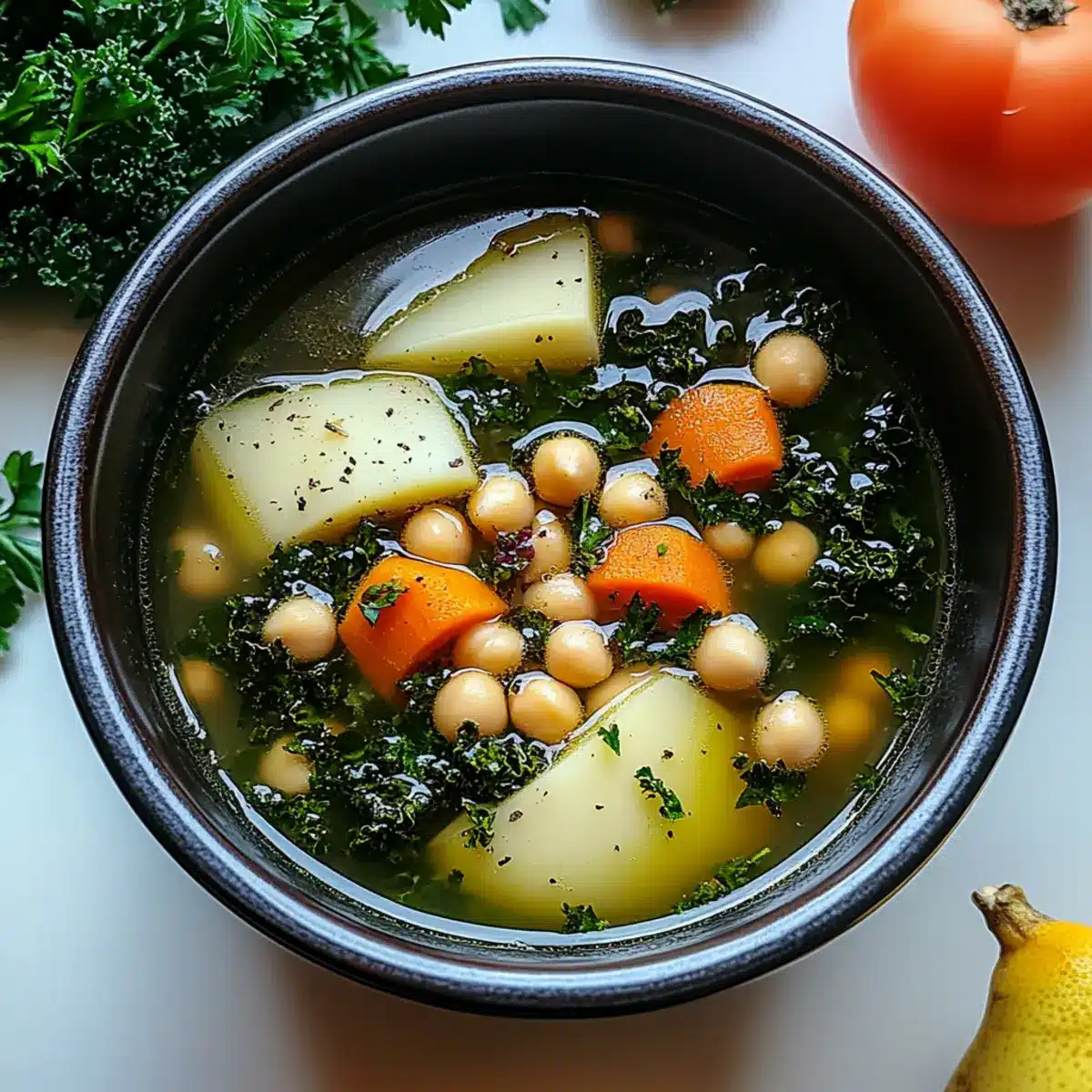
Greek Healing Soup: Comfort in Every Nutritious Spoonful
Ingredients
Equipment
Method
- Begin by heating 2 tablespoons of olive oil in a large pot over medium heat. Once the oil is shimmering, add 1 chopped onion and sauté until it becomes soft and translucent, about 5 minutes.
- Next, stir in 4 minced garlic cloves, cooking for about 1 minute until fragrant. Be careful not to let the garlic brown, as it can turn bitter.
- Now, add 2 diced carrots and 2 chopped celery stalks to the pot. Sauté these veggies for approximately 5 minutes, stirring frequently, until they begin to soften and their colors brighten.
- Mix in 1 diced potato and 1 chopped zucchini, cooking for another 5 minutes until they start to deepen in color and soften slightly.
- Pour in 6 cups of vegetable broth and add 1 can of drained chickpeas to the pot. Sprinkle in 1 teaspoon of dried oregano, 1 teaspoon of dried thyme, and 1 teaspoon of ground cumin, along with salt and pepper to taste.
- Once boiling, reduce the heat to low, cover the pot, and let the soup simmer for about 20 minutes.
- Stir in 2 cups of chopped kale or spinach, allowing it to wilt for about 2-3 minutes.
- Once the greens have wilted, squeeze in the juice of 1 lemon to add brightness. Taste and adjust the seasoning if desired.
- Ladle the hot soup into bowls and garnish with fresh parsley if desired. Serve immediately, perhaps with a side of crusty bread or croutons.
Leave a Reply