
The aroma of baked eggs wafting through the kitchen is the quintessential signal that something delicious is on the way. Today, I’m delighted to share my take on Baked French Eggs, a quick and versatile breakfast that transforms ordinary mornings into delightful feasts! These eggs are baked in a muffin tin, which means you can whip up multiple portions at once—a true lifesaver for busy days or casual brunches with friends. Plus, their high-protein content and customizable nature cater to everyone from health aficionados to comfort food lovers. Whether you choose to add your favorite veggies or a sprinkle of spices, these creamier-than-ever eggs are sure to impress. Curious about how to prepare this gourmet breakfast right at home? Let’s dive in!
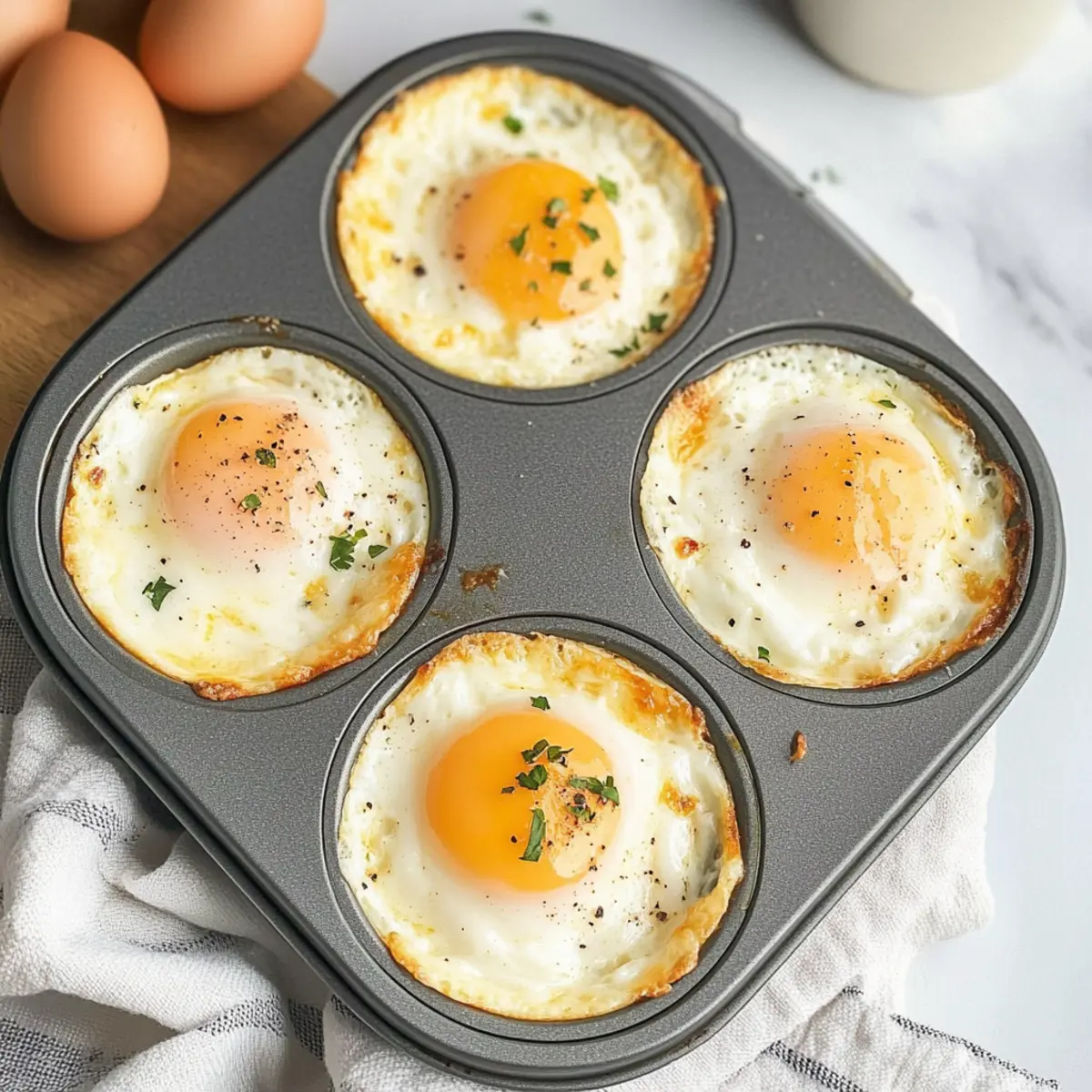
Why Are Baked French Eggs So Awesome?
Unique Preparation: Baked in a muffin tin, these eggs make for an easy, crowd-pleasing breakfast.
Customizable Delight: You can easily adapt ingredients. Try adding sautéed veggies or different cheeses to match your cravings!
High-Protein Goodness: Each serving packs a protein punch, keeping you fueled throughout the day. Perfect for those health-conscious mornings!
Speedy Cooking: In just 7-12 minutes, you can have a deliciously baked breakfast ready to serve, making it ideal for busy weekdays or delightful brunches with friends.
Perfect Pairings: Enjoy alongside toast or avocado, or elevate your breakfast with a drizzle of hot sauce for a little kick! Check out my Baked Salmon Spinach for another protein-packed dish.
Baked French Eggs Ingredients
Here’s what you’ll need to whip up these delightful Baked French Eggs!
For the Eggs
• Eggs – The star ingredient, providing high protein and essential nutrients; choose large or extra-large for better results.
• Salt – Essential for seasoning; season to taste for that perfect flavor boost.
• Black Pepper – Adds a subtle kick; fresh-ground for the best flavor.
For the Creamy Base
• Heavy Cream – Enhances richness and creates a velvety texture; can be substituted with Greek yogurt for a lighter option.
• Parmesan Cheese – Offers a savory, creamy flavor; try Gruyere or cheddar for variety!
Optional Add-Ons
• Sautéed Veggies – Add flavors like sautéed spinach, bell peppers, or mushrooms for vibrant color and nutrition.
• Cooked Meats – Chopped ham or crumbled bacon add delicious heartiness, turning this dish into a protein powerhouse.
Get ready to indulge in this gourmet breakfast experience with customizable Baked French Eggs!
Step‑by‑Step Instructions for Baked French Eggs
Step 1: Preheat the Oven
Begin by preheating your oven to 425°F (220°C). This high temperature is key for achieving that perfect balance of cooked whites and creamy yolks. While the oven warms up, gather your ingredients and prepare your muffin tin for the Baked French Eggs, ensuring a smooth cooking process.
Step 2: Prepare the Muffin Tin
Spray your muffin tin generously with butter-flavored cooking spray. This ensures that your Baked French Eggs release easily after cooking. Each cup should be well-coated to maintain the delightful texture and appearance of your dish. Keep your tin handy as you move to the next step!
Step 3: Crack the Eggs
Carefully crack one egg into each muffin cup, ensuring that none of the yolks break. You should see the bright orange-yellow yolk sitting atop the clear egg white, creating a beautiful presentation. As you prepare the Baked French Eggs, try not to crowd the muffins for even cooking.
Step 4: Add the Cream
Drizzle 1-2 teaspoons of heavy cream (or melted butter) over each egg, enhancing their creamy texture and flavor. The cream will meld beautifully with the eggs as they bake, creating a luscious bite. Ensure that each egg gets an even amount for consistent richness in every muffin.
Step 5: Season with Salt and Pepper
Sprinkle a pinch of salt and freshly cracked black pepper over the eggs to elevate their flavor. This essential seasoning not only enhances the taste but brings out the natural goodness of the eggs in your Baked French Eggs. Adjust to your preferred level of seasoning as desired.
Step 6: Sprinkle with Cheese
Top each egg with approximately 1 tablespoon of grated Parmesan cheese. The cheese will melt and brown beautifully during baking, adding a delightful flavor and texture contrast to your dish. If you’re feeling adventurous, experiment with different cheeses to customize your Baked French Eggs!
Step 7: Bake to Perfection
Place the muffin tin in your preheated oven and bake for 7-12 minutes. For a runny yolk, opt for 7-8 minutes; for a semi-soft yolk, go for 9-10 minutes; and for a firmer yolk, 11-12 minutes is ideal. Keep a close eye on the eggs as they cook, checking for set whites and the desired yolk consistency.
Step 8: Garnish and Serve
Once baked to your liking, remove the muffin tin from the oven and let cool slightly. Elevate your Baked French Eggs with additional Parmesan or fresh herbs, like chives or parsley, for a pop of color and flavor. Serve them immediately for the best taste, alongside toast or avocado for a complete breakfast experience.
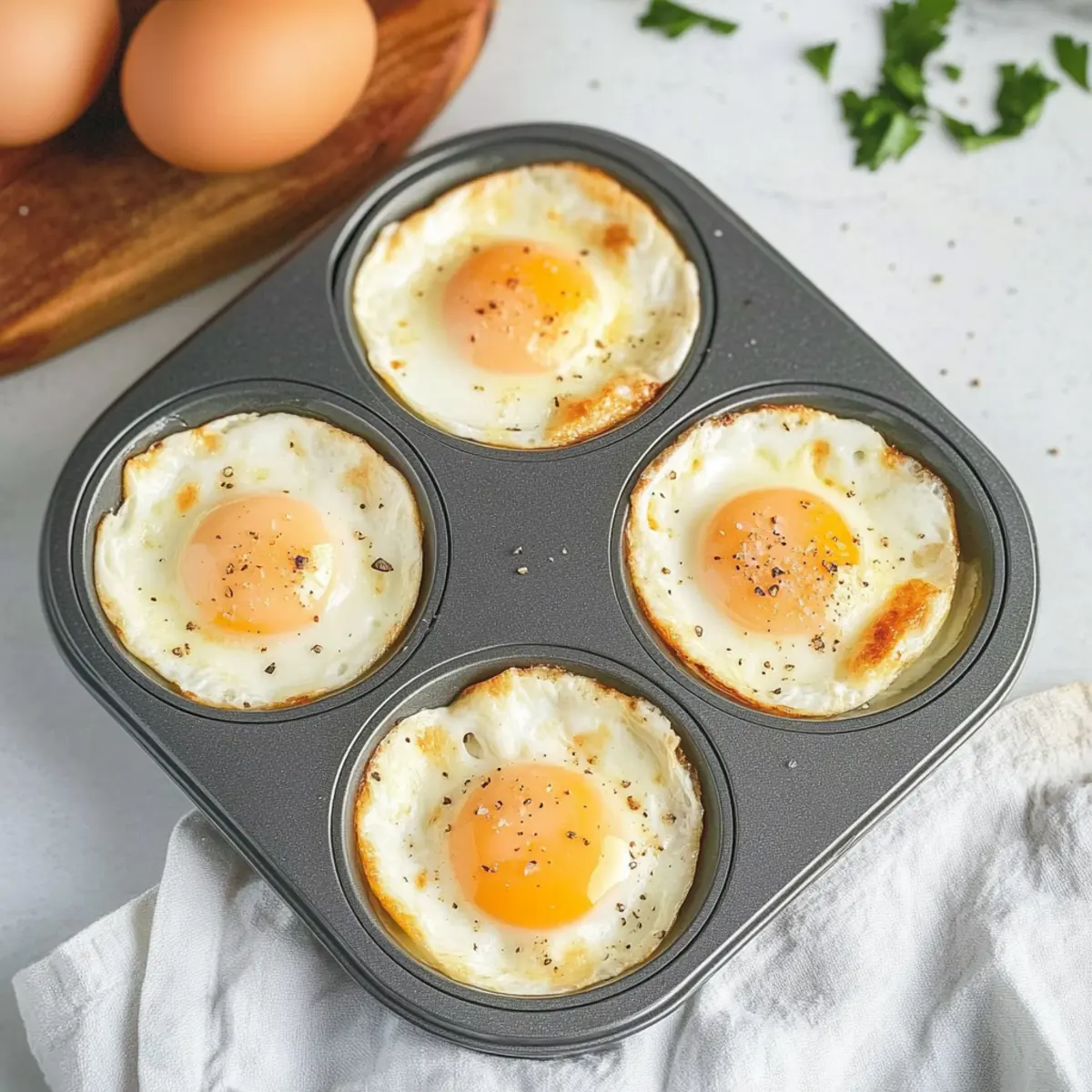
Tips for the Best Baked French Eggs
-
Choose Fresh Eggs: The freshness of your eggs greatly impacts the final result. Fresher eggs yield better texture and flavor in your Baked French Eggs.
-
Watch Baking Time: Keep an eye on the oven as cooking times can vary based on your oven’s heat distribution. Set a timer to avoid overcooking!
-
Use a Silicone Pan: A silicone muffin pan makes removal easier and helps retain shape. If using a metal pan, spray it generously with cooking spray.
-
Experiment with Toppings: Get creative with toppings! Fresh herbs, sun-dried tomatoes, or spicy sausage can transform your Baked French Eggs into a flavor fiesta.
-
Reheat with Care: If making in advance, reheating at 350°F ensures they don’t dry out. Cover with aluminum foil for moisture retention while reheating.
Baked French Eggs: Tasty Variations Ahead
Feel free to explore exciting twists and substitutions for these delightful baked eggs, adding your unique flair to the dish!
-
Veggie-Loaded: Add sautéed spinach, zucchini, or bell peppers directly into the muffin tins before cracking the eggs for vibrant flavors. They not only brighten up the dish but also boost the nutrition!
-
Cheese Swap: Experiment with different cheeses like Gruyere or feta for a different flavor profile. Each cheese offers a unique character that will surprise and delight your taste buds!
-
Greek Yogurt: Swap heavy cream for Greek yogurt to lighten the recipe while keeping it creamy and delicious. The yogurt adds a tangy twist that pairs wonderfully with the eggs.
-
Spicy Kick: Drizzle some hot sauce over the eggs pre-baking or sprinkle red pepper flakes for added heat. A little spice can kick up the excitement of breakfast!
-
Herb Infusion: Mix in fresh herbs such as chives, parsley, or dill before baking for a fresh, aromatic touch. Not only do they enhance flavor, but they also add a beautiful pop of color!
-
Toast Upgrade: Serve your Baked French Eggs on top of hearty avocado toast instead of plain bread. This combination not only looks stunning but also adds healthy fats!
-
Savory Meat: Consider adding cooked, crumbled sausage or diced ham for a heartier meal option. These proteins complement the eggs and make for a fulfilling breakfast.
-
Sweet Version: For a delightful twist, try a sweet version by using a touch of maple syrup with the eggs and pairing them with a drizzle of warm honey. It might feel unusual, but you’ll be pleasantly surprised!
Feel inspired? Take your culinary creativity further and explore more breakfast ideas like my Creme Brulee French Toast or the delightful French Toast Muffin Cups. Enjoy customizing your own Baked French Eggs masterpiece!
What to Serve with Baked French Eggs
The warmth of fresh-baked eggs invites a whole array of delightful sides and accompaniments that will complete your breakfast experience.
-
Crusty Bread: Slices of artisanal bread offer a crunchy contrast, perfect for scooping up those creamy eggs.
-
Avocado Toast: Creamy avocado on whole-grain toast adds healthy fats and a rich texture that harmonizes beautifully with baked eggs.
-
Sautéed Spinach: A light sauté of fresh spinach enhances your plate’s color and packs in nutrients for a well-rounded meal.
-
Smoky Bacon: Crispy bacon introduces a savory depth and that delightful crunch, making every bite utterly irresistible.
-
Fresh Fruit Salad: A refreshing bowl of mixed fruits balances the richness of the eggs and adds a burst of vibrant flavor.
-
Crispy Hash Browns: Golden-brown hash browns bring satisfying crunchiness and heartiness, perfect for filling hungry bellies.
-
Herbed Yogurt Sauce: A light herbed yogurt can bring a refreshing tang to your plate, adding an unexpected flavor twist.
-
Mimosas or Coffee: A chilled mimosa or hot cup of coffee elevates the brunch experience, bringing joy and warmth to the table.
Make Ahead Options
Baked French Eggs are perfect for meal prep enthusiasts looking to save time during busy mornings! You can crack the eggs into the muffin tin and drizzle them with cream up to 24 hours in advance. Cover the muffin tin tightly with plastic wrap and refrigerate to maintain freshness. When ready to bake, simply season the eggs with salt, pepper, and sprinkle with cheese, then pop them in the preheated oven. This way, you’ll have gourmet-quality Baked French Eggs on the table with minimal effort, ensuring a delightful breakfast the whole family will love! Just as delicious, these prep-ahead options will make your mornings a breeze.
Storage Tips for Baked French Eggs
Room Temperature: Baked French Eggs should not be left out at room temperature for more than 2 hours to maintain food safety.
Fridge: Store any leftovers in an airtight container in the refrigerator for up to 3 days. Reheat gently in the oven before serving.
Freezer: If you wish to store them longer, freeze the Baked French Eggs in a single layer on a baking sheet, then transfer to a freezer-safe container for up to 2 months.
Reheating: To reheat, place frozen eggs in a preheated oven at 350°F for about 15-20 minutes, ensuring they are heated through without drying out.
Baked French Eggs Recipe FAQs
What type of eggs should I use for Baked French Eggs?
I recommend using large or extra-large eggs for the best texture and flavor. Fresher eggs will provide a fluffier white and richer yolk, resulting in a more delightful dish.
How should I store leftover Baked French Eggs?
Store leftovers in an airtight container in the refrigerator for up to 3 days. When you’re ready to enjoy them again, reheat in a 350°F oven for about 10 minutes or until warmed through. This helps maintain their creamy texture while ensuring they’re safe to eat!
Can I freeze Baked French Eggs?
Absolutely! To freeze, place your cooled Baked French Eggs in a single layer on a baking sheet until frozen solid. Once frozen, transfer them to a freezer-safe container. They can be stored for up to 2 months. To reheat, bake them from frozen in a preheated oven at 350°F for 15-20 minutes, ensuring they’re hot and creamy.
What if my Baked French Eggs are overcooked?
If your Baked French Eggs are overcooked, they may be dry. One way to prevent this in the future is to monitor the cooking time closely, checking them frequently as they near the end of baking. Aim for the shorter end of the suggested baking times for a creamier result. Remember, you can always add some extra cream or a dollop of yogurt on top after baking for added moisture and flavor.
Are Baked French Eggs suitable for those with dietary restrictions?
Yes, you can adapt this recipe easily! For a gluten-free version, simply ensure your additional ingredients are gluten-free as well. For dairy allergies, consider using alternatives like coconut cream or nutritional yeast instead of cheese. By customizing the add-ins, you can create a variety of options that suit different dietary needs!

Baked French Eggs: Creamy, Customizable Breakfast Bliss
Ingredients
Equipment
Method
- Preheat your oven to 425°F (220°C).
- Spray your muffin tin generously with butter-flavored cooking spray.
- Carefully crack one egg into each muffin cup, ensuring the yolks do not break.
- Drizzle 1-2 teaspoons of heavy cream over each egg.
- Sprinkle a pinch of salt and freshly cracked black pepper over the eggs.
- Top each egg with approximately 1 tablespoon of grated Parmesan cheese.
- Place the muffin tin in your preheated oven and bake for 7-12 minutes to your desired yolk consistency.
- Remove the muffin tin from the oven, let cool slightly, and serve immediately.
Leave a Reply