
The aroma of slow-simmered Bolognese filling the kitchen is enough to make anyone feel at home. This Classic Lasagna Bolognese is more than just a dish; it’s a comforting experience layered with rich flavors and textures that bring family and friends together. Packed with luscious béchamel and gooey mozzarella, this recipe is perfect for those cozy nights or holiday gatherings where you want to impress your guests without spending all day in the kitchen. Whether you’re a seasoned chef or just getting started, this make-ahead lasagna is easy to assemble and always a crowd-pleaser. Curious about how to create this comforting masterpiece? Let’s dive into the recipe!
Why is Lasagna Bolognese a Must-Try?
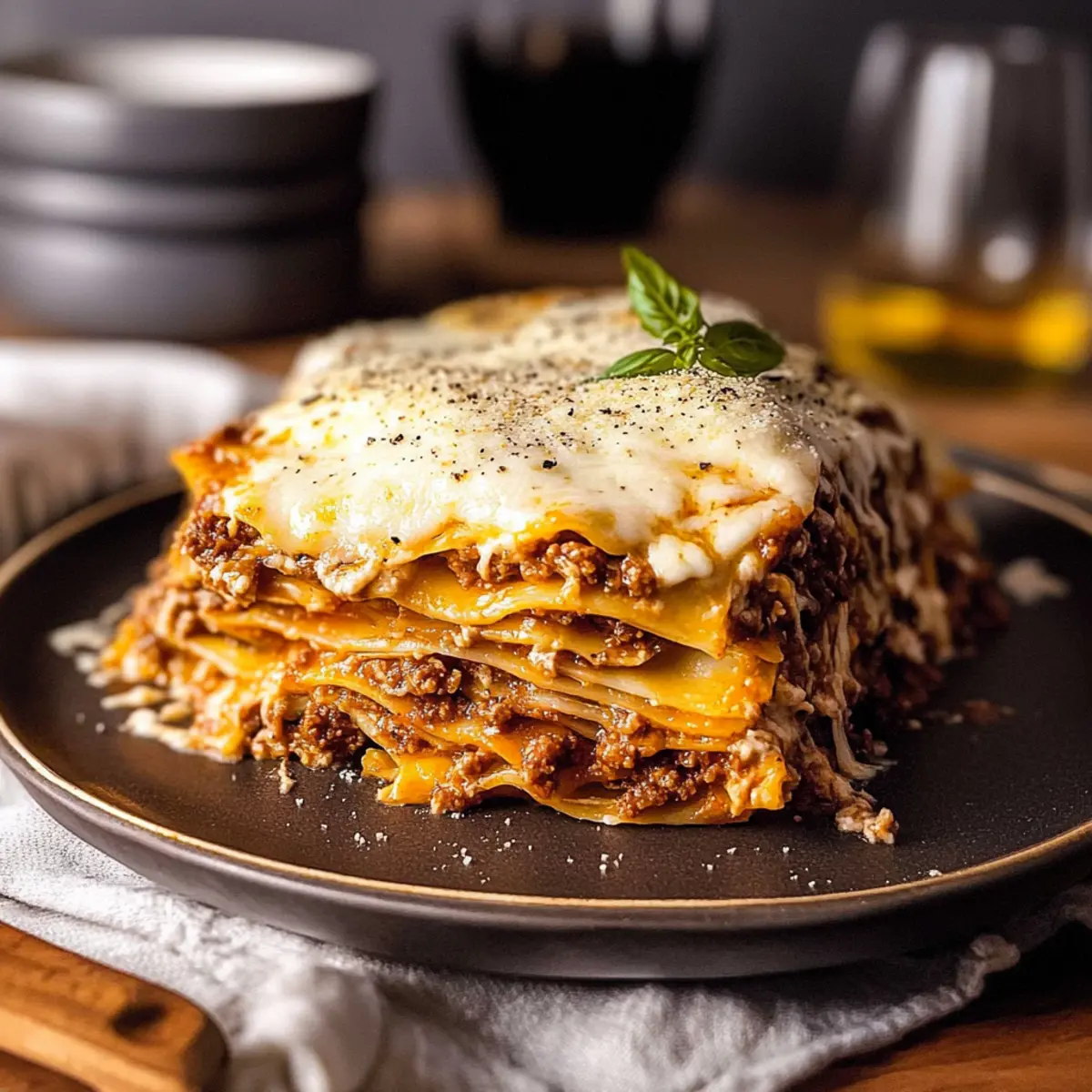
Comforting Layers: This recipe combines layers of rich Bolognese and creamy béchamel, making it the ultimate comfort food. Easy Preparation: While it sounds fancy, it’s surprisingly simple to whip up, perfect for busy weeknights or special occasions. Impressive Presentation: Serve this lasagna to guests, and you’ll be met with oohs and aahs as they dig into the beautifully golden cheese crust. Make-Ahead Friendly: Prepare it ahead of time—just reheat when you’re ready to impress without the last-minute stress. And if you’re looking for more delicious Italian classics, don’t forget to explore our other comforting dishes like Pasta alla Vodka or Chicken Parmesan!
Lasagna Bolognese Ingredients
For the Bolognese Sauce
• Ground Sirloin – Adds rich meatiness to the sauce; opt for 90/10 for optimal flavor without excess fat.
• Ground Italian Sausage – Provides an authentic Italian flavor profile; use sweet or spicy based on your preference.
• Pancetta – Adds depth and saltiness to the sauce; can substitute with bacon if necessary.
• Yellow Onion – The aromatic base for the sauce; other onion varieties may be used, but flavor will vary.
• Carrots – Adds natural sweetness and body to the sauce; finely chopped helps integrate flavors well.
• Celery – Complements the sweet profile of onion and carrot; use fresh for the best flavor.
• Garlic – Enhances flavor complexity; fresh is best, adjust according to taste for the ideal aroma.
• Tomato Paste – Concentrated tomato flavor addition; a high-quality brand enhances overall taste.
• Canned Crushed Tomatoes – The base of the Bolognese sauce; choose a quality brand for the best results.
• Medium-bodied Red Wine – Adds acidity and depth to the sauce; substitute with beef stock for a non-alcoholic version.
• Whole Milk – Tenderizes meat and balances acidity; whole milk is preferred for creaminess.
• Bay Leaves – Adds aromatic depth during cooking; remember to remove them before serving.
• Parmesan Rind – Imparts umami flavor during simmering; can be left out if not available.
For the Béchamel Sauce
• Unsalted Butter – The base for the sauce; do not substitute with salted butter for best flavor control.
• All-Purpose Flour – Thickens the béchamel; gluten-free flour can be used as a substitute.
• Warm Whole Milk – Forms the creamy texture; warming prevents lumps when mixing.
• Freshly Grated Nutmeg – Adds subtle warmth and depth; freshly grated offers the best flavor.
• Freshly Grated Parmesan – Adds flavor and richness to the béchamel; reserve some for topping later.
For the Lasagna Noodles
• Egg Lasagna Noodles – The structure of the dish; fresh noodles yield the best texture, but no-boil noodles can work too with resting time.
Step‑by‑Step Instructions for Lasagna Bolognese
Step 1: Prepare Bolognese Sauce
In a large pot over medium heat, cook diced pancetta in a mix of butter and olive oil until crispy, about 5 minutes. Meanwhile, use a food processor to finely mince garlic, onion, carrots, and celery. Add the ground sirloin and Italian sausage to the pot, cooking until browned. Next, stir in the minced vegetables and sauté until tender, approximately 8 minutes. Incorporate the tomato paste, cooking for an additional 2 minutes until it darkens in color. Deglaze with red wine, then add crushed tomatoes, bay leaves, and Parmesan rind. Simmer for 2.5 to 3 hours, stirring occasionally.
Step 2: Make Béchamel Sauce
In a medium saucepan, melt the unsalted butter over low heat, then whisk in flour and cook for 2 to 3 minutes until it’s pale and bubbly. Gradually add 4 cups of warm whole milk while continuously whisking to prevent lumps, cooking until thickened, about 8-10 minutes. Once thickened, stir in freshly grated nutmeg and 2 cups of grated Parmesan until well combined and creamy. Set aside the béchamel sauce for layering.
Step 3: Prep Lasagna Noodles
Bring a large pot of salted water to a boil, and cook the egg lasagna noodles according to package instructions until al dente, usually around 3-4 minutes. Once cooked, drain the noodles and rinse them under cold water to stop the cooking process. To prevent sticking, lightly dress the noodles with a drizzle of olive oil and set them aside.
Step 4: Assemble Lasagna
In a greased 9×13 inch baking dish, start by spreading a thin layer of the béchamel sauce on the bottom. Layer 5-6 lasagna noodles over the béchamel, followed by a layer of Bolognese sauce, then another layer of béchamel. Sprinkle with mozzarella and a bit of grated Parmesan. Repeat this layering process until all ingredients are used, finishing with a final layer of béchamel and a generous topping of mozzarella and Parmesan for a golden crust.
Step 5: Bake
Preheat your oven to 375°F (190°C). Cover the assembled lasagna with aluminum foil and bake it for 1 hour. After the hour is up, remove the foil and bake for an additional 15 minutes, until the top is bubbling and golden brown. Once baked, remove the lasagna from the oven and allow it to rest for 20-30 minutes before slicing, which helps the layers set for better serving.
Expert Tips for Lasagna Bolognese
- Flavor Development: Make the Bolognese sauce a day ahead; it deepens in flavor overnight, making your lasagna even more delicious.
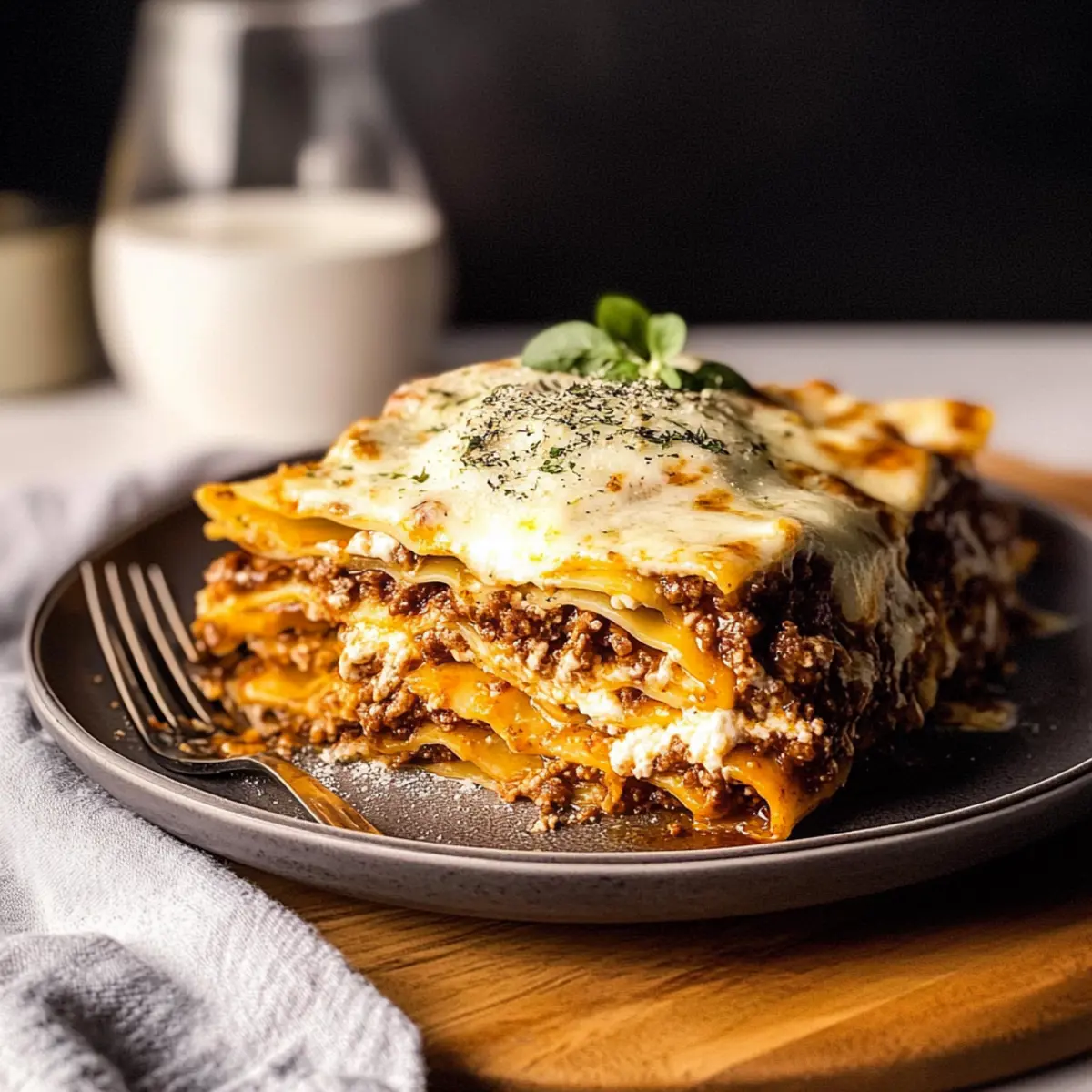
- Layering Technique: Start and end with béchamel sauce to ensure the top layer is creamy and golden; it prevents the noodles from drying out.
- Cheese Variations: Consider mixing different cheeses like fontina or provolone for added flavor depth in the Lasagna Bolognese.
- Patience is Key: Letting the lasagna rest after baking is crucial; it allows the layers to set and makes for easier slicing.
- Avoid Common Mistakes: Don’t rush the simmer time for your sauce; slow and low cooking develops richness. Always taste and adjust seasonings before layering.
Make Ahead Options
Preparing your Lasagna Bolognese ahead of time is a fantastic way to save precious hours on busy weeknights! You can prepare the Bolognese sauce and béchamel up to 3 days in advance. Just let them cool completely and store them in airtight containers in the refrigerator. Additionally, you can assemble the lasagna and refrigerate it for up to 24 hours before baking. To maintain the quality, keep it covered tightly with foil to prevent drying out. When you’re ready to bake, allow the lasagna to sit at room temperature for about 30 minutes before popping it in the oven for 1 hour, ensuring that delightful layers of warmth and flavor are just waiting to greet your family.
Storage Tips for Lasagna Bolognese
Fridge: Store leftovers in an airtight container for up to 5 days; for best texture, cover with aluminum foil to maintain moisture.
Freezer: Wrap individual portions tightly in plastic wrap and then in foil, freezing for up to 3 months. This Lasagna Bolognese makes an excellent make-ahead meal!
Reheating: Thaw frozen lasagna in the fridge overnight before reheating. Warm in a 350°F oven, covered loosely with foil, until heated through, about 25-30 minutes.
Cooling Before Storing: Allow the lasagna to cool completely before storing; this helps the layers stay intact and prevents sogginess.
What to Serve with Lasagna Bolognese?
The perfect meal deserves delightful companions that elevate the dining experience.
- Garlic Bread: A warm, crispy side that pairs beautifully with lasagna, absorbing every drop of sauce and béchamel.
- Caesar Salad: Crisp romaine, crunchy croutons, and a tangy dressing provide a refreshing contrast to the rich layers of the lasagna.
- Steamed Broccoli: Bright green and nutritious, steamed broccoli adds a crunch and a healthy touch, balancing the hearty nature of the dish.
- Roasted Vegetables: A colorful medley of carrots, bell peppers, and zucchini enhances the meal with a sweet roasted flavor and texture.
- Vino Rosso: A glass of medium-bodied red wine, like Chianti, enhances the flavors of the Bolognese while keeping the meal elegant.
- Tiramisu: Conclude your culinary journey with this classic Italian dessert, combining coffee-soaked layers and creamy mascarpone; the perfect sweet ending!
These delicious pairings will create a memorable dining experience that delights the senses and brings a touch of Italian tradition to your table.
Lasagna Bolognese Variations & Substitutions
Feel free to explore different twists on this classic dish to suit your taste and dietary needs!
- Meat Swap: Try using ground turkey or chicken for a lighter version. It still packs flavor but is less fatty.
- Vegetarian: Replace the meats with sautéed mushrooms, lentils, and a mix of your favorite vegetables for a hearty veggie option. This twist is just as fulfilling and rich!
- Cheese Swap: Use ricotta or cottage cheese instead of béchamel for a different texture and a little creaminess. Sprinkle fresh herbs for a delightful herbal note.
- Gluten-Free: Opt for gluten-free lasagna noodles or even thinly sliced zucchini or eggplant to create layers without the carbs! You’ll enjoy the freshness each substitute brings.
- Extra Spice: Add a pinch of red pepper flakes to the Bolognese for a spicy kick that heats things up. A bit of heat can elevate each bite!
- Flavor Boost: Stir in a tablespoon of balsamic vinegar to the sauce for a depth of flavor that balances beautifully with the richness of cheese.
- Herb Infusion: Incorporate fresh basil or oregano into the Bolognese sauce for a burst of fresh aroma. Herbs make all the difference in a homemade dish!
- Nut-Free: For a nut-free béchamel, skip the nutmeg or use a pinch of cinnamon instead; it adds warmth without the nut allergy concerns.
Explore these options to find the perfect fit for you and your loved ones. And for additional inspiration, check out our recipes for vegetable lasagna or spicy stuffed peppers!
Lasagna Bolognese Recipe FAQs
How do I choose the right ingredients for my Bolognese sauce?
Absolutely! For the best flavor, opt for high-quality ground sirloin (90/10 is ideal) and fresh Italian sausage, as these provide a rich meaty base. When selecting your vegetables, pick firm onions and vibrant carrots, avoiding any that show dark spots or signs of wilting. Fresh garlic is key for that aromatic punch, so select bulbs that are firm and plump.
What’s the best way to store leftover Lasagna Bolognese?
Very! To store leftovers, place them in an airtight container in the fridge for up to 5 days. If you’re planning to keep it longer, wrap slices tightly in plastic wrap, then foil, and freeze for up to 3 months. Just be sure to label with the date! When you’re ready to enjoy it again, thaw overnight in the fridge and reheat in the oven for a revived taste.
Can I freeze Lasagna Bolognese? If so, how?
Of course! Freezing is a great option for this recipe. Once it’s fully assembled but before baking, wrap the lasagna tightly in plastic wrap, then in aluminum foil to prevent freezer burn. Freeze it for up to 3 months. When you’re ready to cook, thaw it overnight in the fridge, and then bake it at 375°F for about 1 hour, uncovered, until bubbly.
What adjustments can I make for dietary restrictions?
I often make substitutions for family members with dietary needs! For a gluten-free version, use gluten-free pasta and flour for your béchamel, ensuring to check labels carefully. To make it dairy-free, substitute the milk with a non-dairy option like almond milk and use vegan cheese alternatives. Just keep in mind that it may slightly alter the flavor and texture.
What should I do if my béchamel sauce is lumpy?
No worries! If you find lumps in your béchamel, you can typically rescue it by whisking vigorously over low heat. If stubborn lumps persist, pass the sauce through a fine-mesh strainer to ensure a smooth consistency. To prevent lumps before they start, make sure your milk is warm before adding it to the roux and whisk continuously as you pour.
How can I ensure my lasagna slices well after baking?
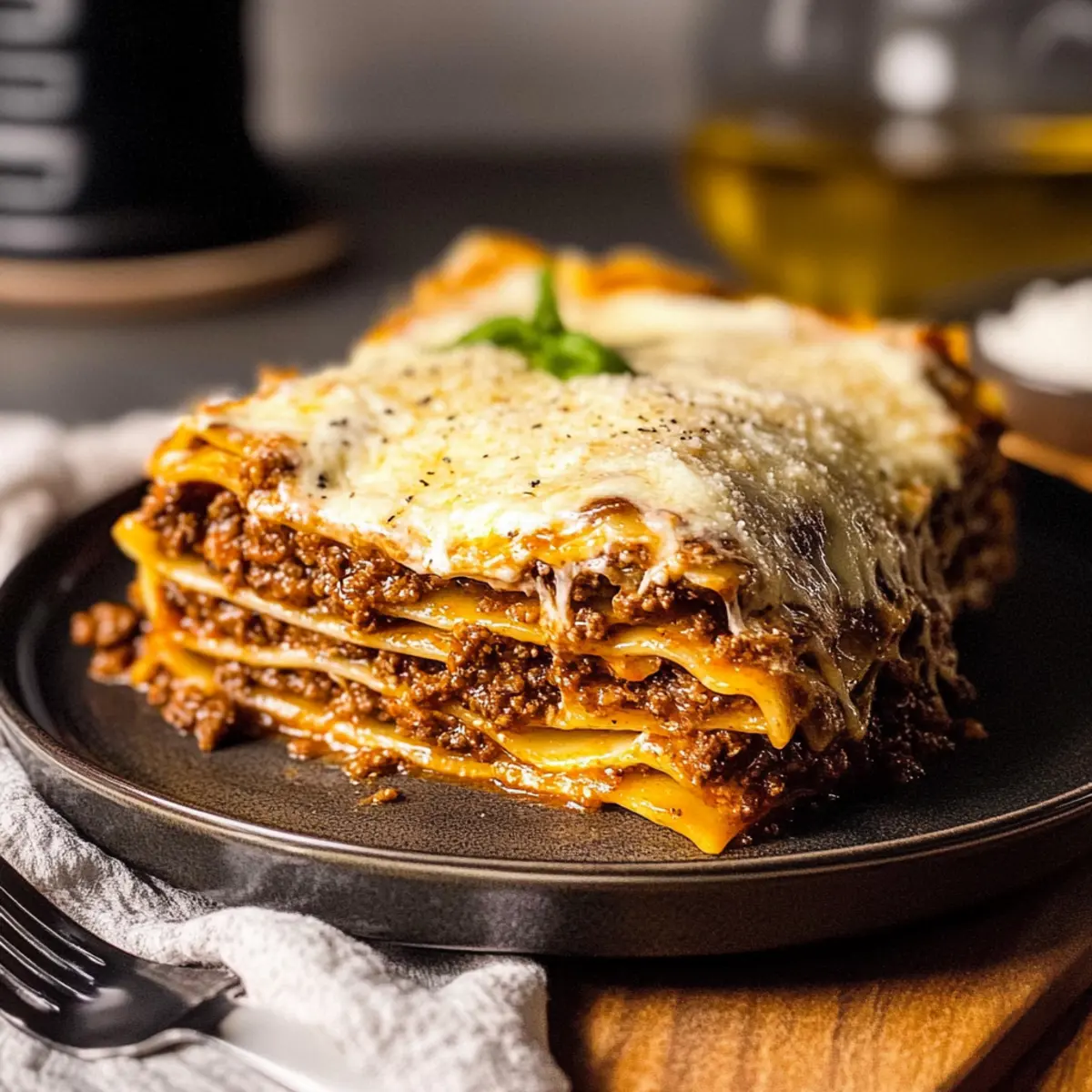
Absolutely, waiting is key! After baking your Lasagna Bolognese, let it rest for 20-30 minutes before slicing. This cooling time helps the layers set and keeps the sauce from spilling out when you cut into it. For an even neater slice, use a sharp knife and wipe it clean between cuts for beautifully layered pieces!
Lasagna Bolognese: A Cozy Classic to Warm Your Heart
Ingredients
Equipment
Method
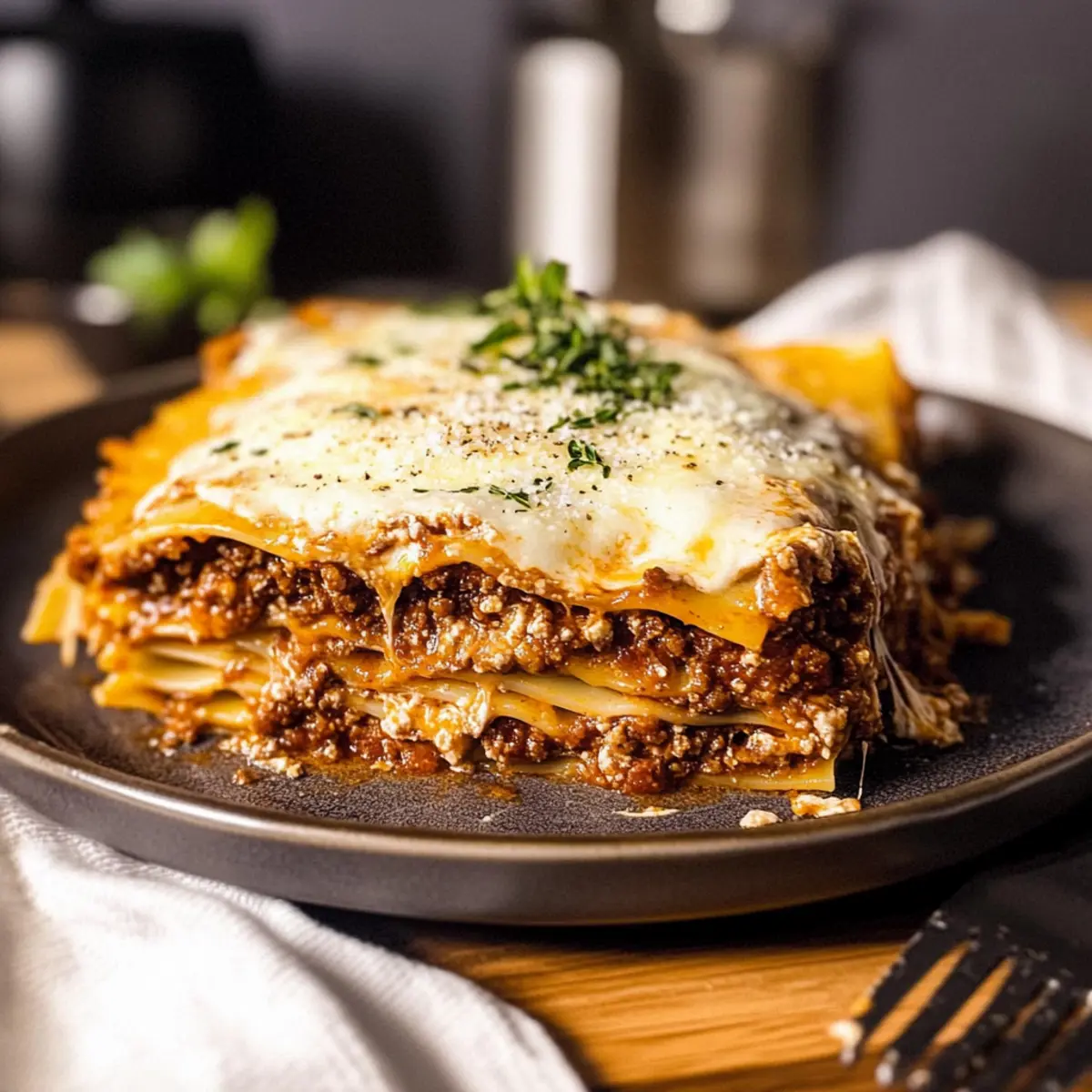
- Cook diced pancetta in a mix of butter and olive oil until crispy, then add minced garlic, onion, carrots, and celery. Add meat and brown it. Stir in vegetables, then add tomato paste and simmer.
- Melt butter, whisk in flour, add warm milk gradually to thicken, stir in nutmeg and Parmesan to make béchamel sauce.
- Boil salted water, cook noodles according to package instructions until al dente, then drain and cool.
- In a greased baking dish, layer béchamel, noodles, Bolognese, and repeat until finished, topping with béchamel and cheese.
- Bake at 375°F covered for 1 hour; uncover and bake for an additional 15 minutes, resting for 30 minutes before serving.
Leave a Reply